



Strolling down the pet food aisle can feel overwhelming for any cat parent. Rows of cans, pouches, and bags each claim to be the best, leaving you wondering: is wet food better for cats, or does dry food win? This debate is about much more than picky preferences; it’s a decision that touches on your cat’s hydration, health, your lifestyle, and your budget. The truth is, there’s no single “best cat food” for every feline. Your mission is to find the ideal choice for your unique cat. This balanced, evidence-based guide will decode the wet food vs. dry food for cats dilemma, empowering you to make a confident, informed decision.
Understanding the Core Differences: It’s More Than Just Moisture
At first glance, cat wet food vs. dry food seems to be about texture. But the core differences run much deeper, influencing everything from nutrition to how your cat’s body processes the meal.
The most critical distinction is water content. Wet food typically contains 70-80% moisture, closely mimicking the natural hydration of a cat’s prey. Dry food, or kibble, contains only 10-12% moisture, having had almost all water removed during processing for shelf stability.
This fundamental difference drives many of the other contrasts:
-
Processing: Wet food is cooked and sealed in cans or pouches. Dry food is made via extrusion—a process that mixes and cooks ingredients under high pressure to create the kibble shape.
-
Carbohydrates: Dry cat food often requires more carbohydrates (like grains or starches) to bind the kibble during extrusion, leading to generally higher carb content. Many wet cat food options are lower in carbohydrates.
-
Calorie Density: Kibble is calorie-dense, meaning a small volume contains many calories. Wet food is less calorie-dense due to its high water content.
-
Protein & Ingredients: While both types can be high-quality, wet foods often (but not always) feature a higher percentage of animal-based protein.
The Case for Wet Food: Hydration and Health Benefits
For many veterinarians, the benefits of wet cat food center on one crucial, species-appropriate advantage: moisture.
Primary Benefit: Hydination Support
Cats evolved as desert creatures with a low thirst drive, designed to get most of their water from their food. A cat eating only dry cat food must drink significantly more water to compensate, which they often fail to do. Wet cat food naturally supports their hydration needs, promoting better kidney function, healthier urine concentration, and a significantly reduced risk of cat urinary tract health issues like crystals and stones. This makes it a cornerstone of a cat kidney disease diet.
Dietary Composition and Weight Management
Wet cat food is typically higher in protein and lower in carbohydrates than its dry counterpart. This macronutrient profile is closer to a cat’s natural diet and can be particularly beneficial for diabetic cat food plans, as it helps prevent blood sugar spikes. Furthermore, because it’s less calorie-dense, cats can often eat a more satisfying volume of food for fewer calories, which aids in cat weight management and provides increased satiety.
Palatability
The strong aroma and varied textures of wet food are often more enticing to finicky felines, making it a go-to for picky eaters.
The Case for Dry Food: Convenience and Practical Perks
The argument for dry cat food is often built around the practical realities of modern life, offering undeniable ease for pet parents.
Primary Benefit: Convenience & Lifestyle
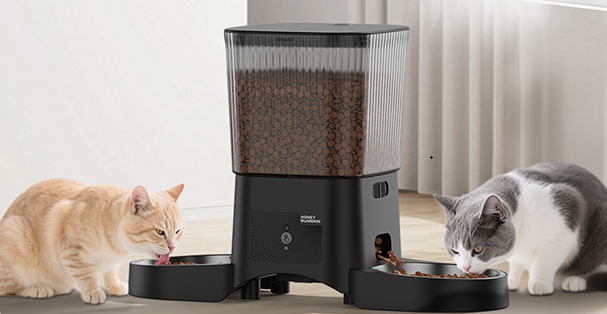
Kibble can be left out for free-feeding without spoiling within hours, especially useful for busy schedules or multi-cat households. It works seamlessly with automatic feeders and puzzle toys for enrichment. It’s less messy, easier to store, and has a much longer shelf life once opened, reducing waste. For travel or simply managing a hectic home, the pros of dry cat food in the convenience column are strong.
The Dental Health Claims
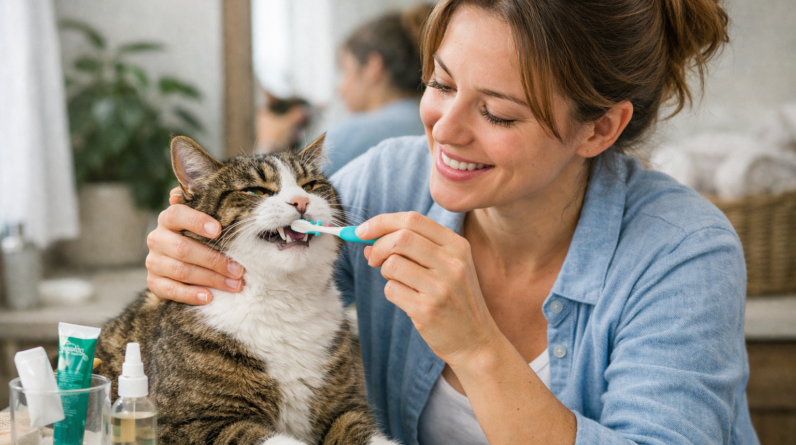
A common belief is that the crunchy texture of kibble scrapes tartar off teeth, making dry cat food dental health a major selling point. However, most veterinary dental specialists agree this effect is minimal. Cats don’t chew long enough, and kibble often shatters on contact. Serious dental disease requires dedicated dental care. It’s a myth that wet food causes dental problems; a lack of dental hygiene does.
Cost-Effectiveness and Energy Density
Dry cat food is generally less expensive per calorie, making it a more budget-friendly option. Its high energy density also means it can be ideal for cats who need to pack in calories, such as some underweight cats or highly active felines.
Quick Comparison: Wet vs. Dry Cat Food
| Feature | Wet Food | Dry Food |
|---|---|---|
| Moisture Content | High (70-80%) | Low (10-12%) |
| Hydration Support | Excellent | Poor (cat must drink more) |
| Calorie Density | Lower | Higher |
| Typical Carb Level | Generally Lower | Generally Higher |
| Convenience & Storage | Perishes quickly, messy | Long shelf life, clean |
| Cost | Higher per meal | Lower per calorie |
| Dental Benefit | Minimal (but does not cause disease) | Minimal (often overstated) |
Key Factors to Consider: Choosing What’s Right for YOUR Cat
So, should you feed your cat wet or dry food? The answer lies in your cat’s individual profile. Consider these key factors:
-
Age & Life Stage: Kittens need calorie-dense food for growth, while senior cats often benefit from the extra hydration in wet food. Senior cat food wet or dry is a common query, with vets often leaning toward wet for its ease of eating and moisture.
-
Health Status: This is the most critical factor. For cat urinary tract health or kidney disease, wet food is often strongly recommended. For diabetic cats, a wet, low-carb food is usually ideal. For dental disease, seek specific veterinary dental diets, not just any kibble. For obesity, precise calorie control is key, which wet food can facilitate.
-
Budget & Lifestyle: Be honest about what you can sustainably afford and manage. The best food is one you can consistently provide.
-
Your Cat’s Preference: The most perfect diet is useless if your cat refuses to eat it.
Matching Food Type to Health Conditions
| Health Consideration | Often Recommended Choice | Key Reason |
|---|---|---|
| Urinary/Kidney Issues | Wet Food | Maximizes water intake, dilutes urine |
| Diabetes | Wet, Low-Carb Food | Helps regulate blood sugar levels |
| Obesity | Measured Wet or Dry | Wet food aids satiety; precise calories are key |
| Dental Disease | Vet-Prescribed Diet | Requires specific texture/enzymes, not just crunch |
| Underweight/High Energy | Dry or High-Calorie Wet | Efficient way to increase calorie intake |
Hybrid Feeding: Can You Have the Best of Both Worlds?
For many, the answer to the wet food vs. dry food for cats debate is: both! Can you mix wet and dry cat food? Absolutely. A hybrid approach offers a excellent compromise, providing increased hydration and variety from wet food while maintaining the convenience and cost savings of dry.
Popular Methods:
- Scheduled Wet, Grazing Dry: Offer measured wet food meals 2-3 times daily, and leave a small, measured portion of dry food out for grazing.
- Mixed Meals: Add a spoonful of wet food to your cat’s portion of kibble at meal times.
Crucial Warning: When you mix wet and dry cat food, you must calculate the total daily calories from both sources to avoid overfeeding. Use the calorie information on the labels and consult your vet to determine your cat’s total daily needs.
Final Verdict: Making an Informed Choice
In the great cat diet debate, wet food wins on hydration and promoting a species-appropriate, lower-carb diet, which is crucial for long-term cat urinary tract health and kidney function. Dry food excels in convenience, cost-effectiveness, and fitting seamlessly into busy lifestyles.
For countless cat owners, a hybrid feeding strategy successfully bridges this gap, offering a balanced “best of both worlds” solution. Remember, the single most important factor is choosing a high-quality, nutritionally complete food from a reputable brand, whether it’s in a can or a bag.
Use the factors outlined here as a guide for a discussion with your veterinarian. They understand your cat’s specific health history and can help you decode the great cat diet debate to craft the perfect, personalized feeding plan.
FAQ Section
Is dry food really better for my cat’s teeth?
The dental benefit of dry food is minimal and often overstated. While the crunch may provide some mechanical cleaning, it is not a substitute for regular veterinary dental care, brushing, or specially formulated dental diets. Wet food does not cause dental disease.
Can I just add water to dry food?
Yes, you can add water or broth (with no onions or garlic) to dry food to increase moisture intake. This can be a helpful trick, especially for cats transitioning to wet food. Start with a small amount to see if your cat accepts it.
How much should I feed my cat if I mix wet and dry?
You must calculate the total daily calorie requirement for your cat (ask your vet) and then add up the calories from both the wet and dry portions you provide. Follow the feeding guidelines on each package as a starting point, but adjust based on total calories to prevent weight gain.
Is grain-free better for cats?
Not necessarily. The grain-free trend is often more marketing than science. Most cats digest grains perfectly well. The more important factors are the quality and source of protein and the overall carbohydrate content. For cats with specific allergies (which are rare), a novel protein or hydrolyzed diet may be needed, but this is different from simply being grain-free.
My cat only eats dry food. Should I force a switch?
Do not force an abrupt switch, as this can cause food aversion. If you want to introduce wet food for its benefits, transition very slowly over 1-2 weeks. Start by offering a tiny amount of wet food as a “treat” alongside their regular dry food. Gradually increase the wet portion while decreasing the dry. Patience and persistence are key.