


Meta Description: Cats hide pain instinctively. Learn the 5 subtle behavioral changes that signal your cat may be hurting and the immediate steps you should take to help them.
Cats are enigmatic companions, masters of serene naps and sudden, playful zooms. This very independence can make it incredibly difficult to answer a crucial question: how to tell if cat is in pain? Unlike dogs or humans, cats are biologically wired to conceal discomfort, a survival instinct from their wild ancestors. This means that by the time they show obvious feline pain symptoms like crying or limping, the issue is often severe. As a pet owner, learning to decode the subtle cat in pain signs is your most powerful tool for ensuring their well-being and seeking timely cat pain relief.
Why Cats Hide Their Pain: The Silent Sufferer
In the wild, showing weakness makes an animal a target. This evolutionary trait is why our domestic cats are experts at masking their subtle signs cat is hurting. They don’t want to appear vulnerable. Understanding this is key: a cat that is visibly suffering is likely in extreme distress. Therefore, recognizing the early, subtle signs cat is hurting is not just helpful—it’s critical for early intervention and preventing a minor issue from becoming a major health crisis.
The 5 Subtle Signs Your Cat is Hurting
Learning how cats show pain requires a shift from looking for the obvious to observing minor changes in their normal behavior. Here are the five key areas to watch.
Sign 1: Changes in Social Behavior and Habits
One of the first indicators of a problem is a shift in your cat’s personality and routines. This can manifest in opposite ways, but both signal that something is why is my cat acting weird.
- Withdrawal: A previously social cat who now hides under beds, avoids family interaction, or sleeps in unusual, isolated spots.
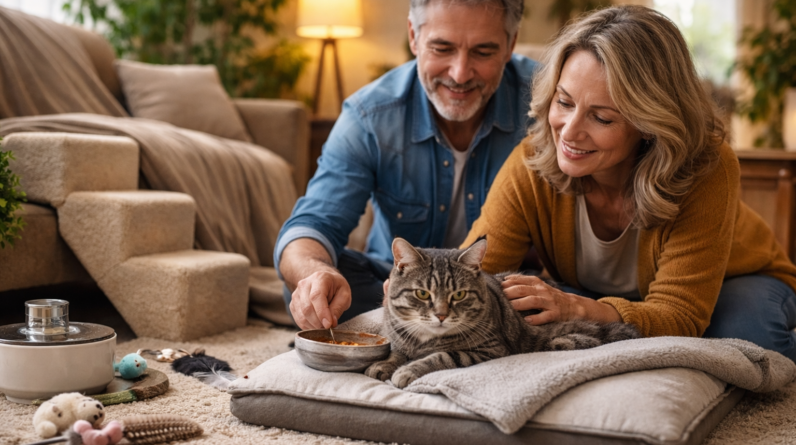
- Increased Clinginess: Conversely, an independent cat becoming uncharacteristically needy, following you constantly and seeking excessive comfort.
- Shift in Routine: No longer greeting you at the door, missing standard meal times, or showing zero interest in a favorite play session.
Sign 2: Decreased Grooming or Over-Grooming One Spot
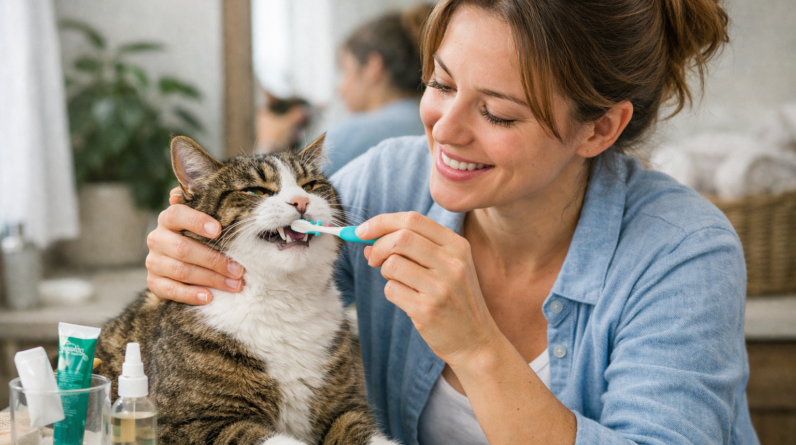
A cat’s grooming habits are a strong barometer of health. Any significant change is a red flag.
- Neglect: Matted fur, a greasy or unkempt coat, or visible dander. This is a classic cat not grooming signal, often due to arthritis pain that makes twisting painful.
- Fixation: Obsessive licking, chewing, or biting at one specific area. This over grooming can indicate localized pain, an itch from allergies, or even discomfort from underlying cat arthritis symptoms in a joint beneath the skin.
Sign 3: Shifts in Posture and Mobility
These feline pain symptoms are especially common in senior cat pain signs, but can affect cats of any age.
- Hunched Position: A tense, crouched posture with a tucked head and legs, as if constantly guarding their abdomen.
- Reluctance to Move: Hesitation to jump onto furniture, difficulty using stairs, or abandoning favorite high perches. You may notice them “bunny-hopping” with their back legs.
- Stiffness: Appearing stiff or lame, particularly after waking up from a nap.
Sign 4: Changes in Facial Expression and Eyes
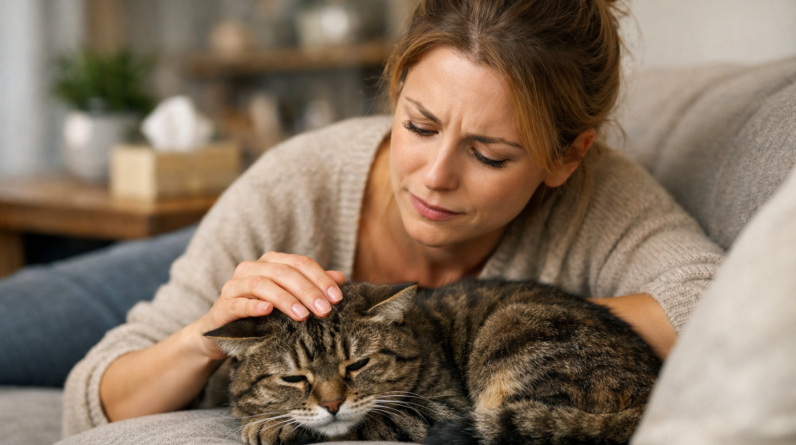
Veterinarians now use a “Feline Grimace Scale” to assess pain by evaluating subtle facial cues.
- The Feline Grimace: Squinted or half-closed eyes, ears that are flattened or held slightly outward and down, and a tense, tightened muzzle.
- Pupil Dilation: Constantly dilated pupils in normal room light can indicate stress, anxiety, or pain.
- Staring: A vacant, glazed, or fixed stare into space, which is very different from a relaxed, sleepy gaze.
Sign 5: Altered Eating, Drinking, or Litter Box Habits
Changes in these fundamental activities are among the most serious cat in pain signs.
- Appetite Change: A decreased appetite or total disinterest in food is a major red flag. Pain, dental issues, or internal illness can all cause this.
- Litter Box Issues: Cat litter box avoidance can occur if it’s painful to step in or out of the box (arthritis), or if they associate the box with pain (as with a urinary tract infection). Accidents outside the box are a common cry for help.
- Vocalization: Unusual meowing, growling, or hissing when being picked up or when a specific area of their body is touched.
| Category | What to Look For | Possible Meaning |
|---|---|---|
| Behavior & Social | Hiding, clinginess, routine changes | General discomfort, anxiety from pain |
| Grooming | Matted fur or obsessive licking one spot | Arthritis, localized pain, skin irritation |
| Posture & Movement | Hunching, stiffness, reluctance to jump | Joint pain, abdominal pain, injury |
| Facial Expression | Squinted eyes, flat ears, tense muzzle | Acute or chronic pain (Feline Grimace) |
| Daily Habits | Eating less, avoiding the litter box | Illness, dental pain, urinary issues, arthritis |
What to Do If You Suspect Your Cat Is in Pain
Noticing cat behavior changes is the first step. Your next actions are crucial for their health and safety.
Step 1: Do NOT Self-Medicate
This cannot be stressed enough. Never give your cat human medications like acetaminophen (Tylenol), ibuprofen (Advil), or aspirin. These are highly toxic and often fatal to cats. True cat pain relief must come from a veterinarian.
Step 2: Become a Detective
Before your vet visit, gather information. Note the specific symptoms, when they started, and what seems to trigger or relieve them. If possible, take photos or videos of the concerning behavior, as many cats will hide their subtle signs cat is hurting during the stress of a vet visit.
Step 3: Schedule a Veterinary Visit Promptly
Is my cat sick or just old? Only your vet can answer that. Pain is a symptom, not a diagnosis. Your vet will perform a thorough physical exam, palpating the abdomen and joints, and will likely recommend diagnostics like bloodwork or X-rays to find the root cause. Prompt action is the best response to any cat vet visit signs.
Step 4: Discuss Pain Management and Treatment
Based on the diagnosis, your vet will outline a treatment plan. This may include:
- Prescription Medications: Cat-safe pain relievers, anti-inflammatories, or other drugs tailored to the specific condition.
- Supportive Therapies: Supplements (e.g., glucosamine), therapeutic diets, physical therapy, or alternative treatments like acupuncture.
- Home Care Adjustments: Provide easy access to essentials. Use a low-sided litter box, add ramps or steps to favorite furniture, and ensure food, water, and a cozy bed are easily accessible on one floor.
| Step | Action | Key Reason |
|---|---|---|
| 1. Stop | Never give human medication. | Human drugs are often poisonous to cats. |
| 2. Observe | Document symptoms with notes/video. | Provides your vet with crucial evidence. |
| 3. Call | Schedule a veterinary exam immediately. | Pain is a symptom; need to diagnose the underlying disease. |
| 4. Partner | Work with your vet on a treatment plan. | Effective management often combines medication, lifestyle, and home care. |
Conclusion: You Are Their Voice
Because our feline friends are programmed to hide their suffering, we must be their vigilant advocates. Trust your instincts—you know your cat’s normal behavior better than anyone. If something seems “off,” it likely is. By learning these subtle signs cat is hurting, you empower yourself to act early. Your observant care is what will guide your beloved cat from silent discomfort back to a comfortable, purring, and pain-free life.