


The routine is familiar: the drive to the same fenced-in lot, the chorus of barks, the thrown ball, the familiar canine faces. While the dog park has its place for socialization and exercise, the deepest bonds and most enriching experiences often lie beyond its gates. If you’re wondering about things to do with your dog that break the monotony, you’ve come to the right place. This guide is your invitation to ignite your dog’s senses, challenge their mind, and create unforgettable shared memories. We’re moving past the predictable to discover creative ways to exercise your dog that strengthen your connection through accessible, low-cost dog adventures.
Why Adventure is the Ultimate Bonding Tool
Shared novel experiences do more than just burn energy. They build unshakable trust through teamwork in new environments. They provide superior mental stimulation activities for dogs by flooding their brains with new sights, sounds, and, most importantly, smells. Adventures can satisfy breed-specific instincts—letting a retriever retrieve in water or a herding dog navigate a trail. This proactive approach to enrichment combats boredom-based behaviors like chewing or barking far more effectively than another lap around the park. Ultimately, it transforms routine exercise into meaningful quality time, deepening your unique partnership.
Adventure 1: The Ultimate “Sniffari”
Transform your daily walk from a simple potty break into a captivating sensory expedition.
The Concept: Let the Nose Lead
A sniffari dog walk flips the script: it’s not your walk; it’s their sniff. For dogs, processing the complex “scent story” of who’s been by that fire hydrant or under that bush is the equivalent of us reading a thrilling novel or scrolling through social media. It’s profoundly tiring for their brain.
How-To Guide
Choose a new route—a different neighborhood, a quiet field, or a gentle path. Use a 15-30 foot long-line leash to give them freedom to explore safely while you maintain control. Your only job is to follow. If they want to spend five minutes deciphering a single leaf pile, let them. You can even introduce a cue like “go sniff!” to make the permission to explore a rewarding command.
Pro Tip
The goal is a mentally satisfied dog, not a certain number of miles. Bring poop bags, stay aware of your surroundings, and let the world be your dog’s newspaper.
Adventure 2: Hiking & Trail Exploration
Elevate your walk by taking it into the heart of nature for shared physical challenge and discovery.
Why It’s Great
Hiking with dogs engages every sense. The varied terrain works different muscles, the scents of wildlife and plants are intoxicating, and the ever-changing scenery is breathtaking for you both. It builds your dog’s confidence and provides a powerful shared sense of accomplishment.
Preparation & Safety
Research dog friendly hiking trails near me to ensure they allow dogs and match your skill level. Pack the essentials: more water than you think (and a collapsible bowl), a basic dog first-aid kit, paw protection wax or booties for rough terrain, a tick key, and a secure leash/harness. A solid recall is non-negotiable for any off-leash areas. Always start with short, easy trails to build fitness.
Leave No Trace
Stick to marked trails to protect fragile ecosystems, always clean up your dog’s waste, and respect wildlife by keeping your dog under control and giving animals plenty of space.
Adventure 3: Patio Life & Errand Buddies
Socialization isn’t just about other dogs; it’s about building a calm, confident companion for the human world.
The Concept
Many cafes, bookstore patios, hardware stores, and even some shops welcome well-behaved, leashed dogs. These outings are adventures in calmness, exposure, and learning to relax amid novel distractions.
How to Be a Perfect Patio Guest
Ensure your dog has basic manners—no barking, begging, or pulling toward strangers. Bring a portable mat or bed to define their “spot.” Choose a quiet corner during an off-peak time for your first visit. Continuously reward calm, settled behavior with quiet, high-value treats.
Goal
This isn’t about the coffee; it’s about building a “go anywhere” dog. These dog friendly outings teach your pup that being with you in new settings is relaxing and rewarding, making them a more adaptable and pleasant companion.
Adventure 4: Water Fun (Swimming, Paddleboarding, Kayaking)
Tap into many dogs’ natural love of water for a cool, joyful, and low-impact adventure.
Safety First
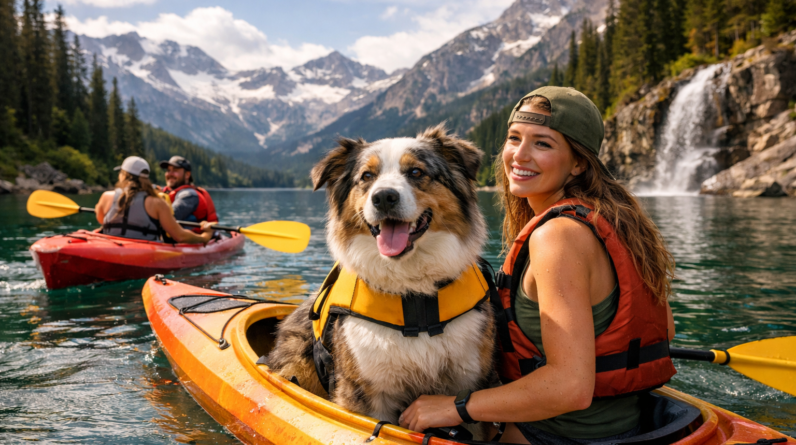
Not all dogs are natural swimmers. A properly fitted canine life jacket is essential for safety, confidence, and easy grip handles for you. Always check water conditions for strong currents, riptides, or toxic algae blooms. Rinse your dog with fresh water after swimming to remove chlorine, salt, or bacteria.
Getting Started
Introduce water slowly in shallow, calm areas. Let them wade and play with a favorite floating toy. For paddleboarding with dog or kayaking, practice getting on and off the vessel on dry land first. Keep initial sessions short and positive, with lots of praise and treats.
Ideal For
Retrievers, spaniels, and other water-loving breeds, but also a fantastic way to provide high-energy dogs with intense exercise that’s easy on their joints, especially on hot days.
Adventure 5: The “Doggy Date” & Skill-Based Outings
Structure socialization and training into a novel, positive experience.
Organized Playdate
Coordinate with a friend who has a compatible, familiar dog. Instead of the chaotic dog park, meet at a new, neutral location like a quiet, enclosed field or a spacious backyard. This controlled environment allows for positive social interaction without the pressure of an unknown pack.
Training Field Trip
Take your obedience or trick training on the road. A quiet park, an empty school parking lot on the weekend, or a friend’s yard are perfect classrooms. Practicing “sit,” “stay,” and a reliable recall with new distractions is one of the best mental stimulation activities for dogs. It proofs their skills in the real world.
Goal
To strengthen social bonds and training foundations in a controlled, positive setting, proving that learning and playing can happen anywhere.
Adventure Prep 101: What to Pack & Know
A little preparation ensures every outing is a success. Your dog adventure gear checklist should include:
-
A secure leash and well-fitted harness.
-
Ample water and a portable bowl.
-
High-value treats for rewards.
-
Waste bags.
-
A basic canine first-aid kit.
-
A recent photo of your dog on your phone (in case you get separated).
-
A towel for mud, water, or a clean place to sit.
Always check the weather, research location-specific rules (leash laws, permits), and double-check that your dog’s ID tags and microchip information are current.
Reading Your Dog’s Cues: Keeping Adventure Positive
The goal is fun, not fear. Watch your dog’s body language closely. Signs of anxiety include excessive panting, a tucked tail, pinned ears, “whale eye” (showing the whites of their eyes), or trying to hide. Signs of engagement are a loose, wiggly body, a gently wagging tail, and eager exploration. If your dog seems stressed, don’t push it. Cut the adventure short, end on a positive note with something they love, and try a simpler version next time. Building positive associations is key.
Conclusion: Your Next Adventure Awaits
The world is full of smells to decode, trails to conquer, and quiet moments to share with your four-legged best friend. The best dog adventures are the ones that strengthen your unique bond through shared discovery and joy. You don’t need a far-flung destination—just a leash, a sense of fun, and the willingness to see the world through your dog’s nose. Start small this weekend. Try a dedicated “sniffari” or find a new dog friendly hiking trail. The gate to adventure is always open.
Call to Action: Which of these creative ways to exercise your dog are you most excited to try first? Share your plans or your own favorite adventure story in the comments below! For more detailed guides, check out our articles on Essential Gear for Hiking with Your Dog and How to Teach Your Dog to Love Swimming.