


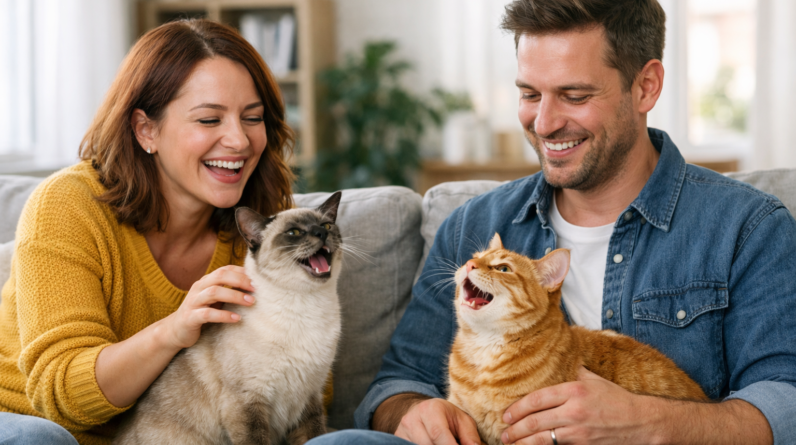
Meta Description: Considering a talkative feline friend? Discover the cat breeds known for their big personalities and constant chatter, and learn if a vocal cat is the perfect match for your home.
Introduction: The Language of Meows
If you’ve ever shared your home with a cat, you know their communication spectrum is vast. It ranges from eloquent silent stares to operatic meows at 3 a.m. This leads many prospective and current owners to wonder: why are some cats so much more vocal than others? For some felines, a chatty cat is simply a core part of their big personality. These communicative cats don’t just meow for food; they comment on your cooking, critique your TV choices, and demand detailed accounts of your day. But is a life filled with feline conversation the right fit for you? This article explores the world of talkative cat breeds, delves into the reasons behind their cat meowing a lot, and provides a clear guide to deciding if a vocal cat breed is your perfect companion.
Why Some Cats Are More Vocal Than Others
Understanding why your cat might be a noisy cat breed contender involves looking at several factors.
Breed Predisposition: It’s in Their Genes
First and foremost, genetics are a primary driver. Certain cat breeds with personality were selectively bred for generations to be sociable, people-oriented, and, consequently, vocal. Their meowing is a designed feature, not a bug.
Individual Personality: The Unique Cat
Just like humans, every cat is an individual. Even within a famously loud cat breed, you might find the occasional strong, silent type. A cat’s personal history and experiences shape its communication style.
Learned Behavior: The Feedback Loop
Cats are brilliant at understanding cause and effect. If a meow consistently results in a treat, a door opening, or a cuddle, that behavior is reinforced. Owners of chatty cats often unknowingly train them to be even more vocal by responding to every sound.
Health & Needs: A Crucial Consideration
A sudden increase in vocalization can be a red flag. It might signal underlying pain, cognitive changes in senior cats, anxiety, or simple frustration like an empty water bowl. It’s essential to rule out health issues before attributing excessive noise purely to personality.
The Chatterboxes: Breeds Known for Their Big Personalities
While any cat can be talkative, these breeds have earned a reputation for their big purr-sonalities and love of a good chat.
The Siamese: The Original Voice
The quintessential vocal cat breed. The Siamese cat vocal style is legendary—a loud, low-pitched, and often demanding mee-yow. They don’t just meow; they hold full, dramatic conversations and want to be involved in everything you do.
The Oriental Shorthair: The Siamese’s Vibrant Cousin
Sharing the Siamese’s sociable and vocal genetics, the Oriental Shorthair vocal output is just as impressive. They come in a dazzling array of colors and patterns but share the same insatiable need to communicate their thoughts and opinions.
The Bengal: Wild Voice
The Bengal cat chatter is unique. Expect less traditional meowing and more of a repertoire that includes chirps, trills, and loud, insistent demands. Their vocalizations match their wild-looking, energetic, and highly intelligent nature.
The Sphynx: The Attention-Seeker
Hairless and heart-on-their-sleeve, the Sphynx cat talkative nature stems from their need for warmth and constant companionship. They are incredibly social, prone to following you around, and will use their voice to ensure they remain the center of your attention.
The Burmese: The Affectionate Conversationalist
The Burmese cat conversational style is typically softer and sweeter than a Siamese’s, but no less persistent. They are known for their affectionate, “dog-like” devotion and will use a gentle, persuasive voice to engage their favorite person in dialogue.
The Tonkinese: The Best of Both Worlds
A deliberate cross between the Siamese and Burmese, the Tonkinese offers a perfect blend. They are moderately chatty, incredibly playful, and seek a balanced mix of conversation and cuddling, making them a fantastic talkative cat for many families.
Honorable Mentions
Other notably communicative cats include the intelligent Cornish Rex, the playful Japanese Bobtail with their “chirping” songs, and the social Turkish Angora.
Living with a Feline Conversationalist: The Pros and Cons
Adopting one of the most talkative cat breeds is a distinct lifestyle choice. Here’s a balanced look at the reality.
| The Perks of a Purr-sonality | The Potential Challenges |
|---|---|
| Constant Companionship: You’ll rarely feel alone. These cats offer interactive communication that makes them feel more like a true partner than a pet. | Early Bird/Night Owl Conversations: Your chatty cat may not respect your sleep schedule. Dawn serenades or midnight commentary are common. |
| Highly Engaging: Life is never boring. Their antics and running commentary provide endless entertainment and personality. | Potential for Excessive Noise: The constant cat meowing a lot can be overwhelming, unsuitable for quiet apartments, or disruptive if you work from home on calls. |
| Deeply Bonded Relationships: Their desire to communicate often translates into a powerful, affectionate connection. They are famously loyal and attached to their owners. | Demanding of Time: They are not background pets. They require more interactive play, mental stimulation, and engaged response than a more independent breed. |
Is a Chatty Cat Right for You? A Self-Assessment
Ask yourself these key questions before seeking out a best talkative cat.
| Assessment Area | Questions to Ask Yourself |
|---|---|
| Your Lifestyle | Do you work long hours away from home, or are you often present? Do you crave constant interaction, or do you need periods of quiet focus? |
| Your Household | Is your home calm and quiet, or bustling with activity and noise? Do you have close neighbors who might be bothered by a loud cat breed? |
| Your Patience | Are you prepared to answer back and engage in one-sided chats, or would persistent vocalization quickly become a source of frustration for you? |
| Your Expectations | Are you dreaming of a silent, independent lap cat, or are you actively seeking an interactive, “dog-like” companion who is cats that talk a lot? |
Conclusion: Finding Your Purr-fect Match
Chatty cat breeds with the biggest purr-sonalities offer a uniquely interactive and engaging pet ownership experience. The joy of a true feline conversationalist is unparalleled for the right person. However, their need for dialogue and attention requires an audience that’s truly listening.
It is crucial to meet and spend time with a breed—or better yet, an individual cat—before making a decision. Remember, personality varies widely, and wonderful, vocal cats can also be found in shelters as charming mixed breeds.
If you’ve assessed your life, looked over the pros and cons, and your answer is a resounding “yes” to constant companionship, then your ideal feline conversationalist may be waiting. Open your home and your ears, and you might just find a friend who talks back