


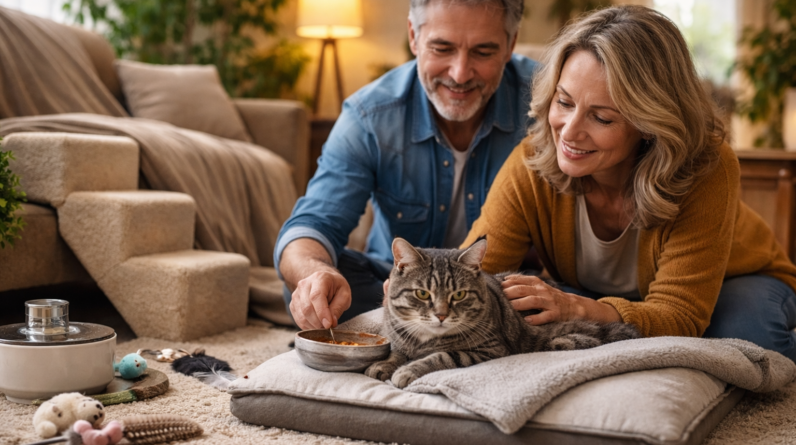
Introduction: Welcoming Your Cat’s Golden Years
As our beloved feline companions enter their senior years, typically around age 11, their needs begin to change. Senior cat care is less about drastic overhauls and more about compassionate, thoughtful adaptations. Understanding the natural aging process in cats allows us to proactively adjust our homes, turning them into sanctuaries of comfort that support their health and well-being. This guide will walk you through practical, loving changes that can significantly enhance your aging cat‘s quality of life, ensuring their golden years are filled with ease and contentment.
Recognizing the Signs of Aging in Cats
The first step in compassionate elderly cat care is recognizing the subtle shifts in your geriatric cat. These changes can be gradual, so keen observation is key.
Key Physical and Behavioral Changes
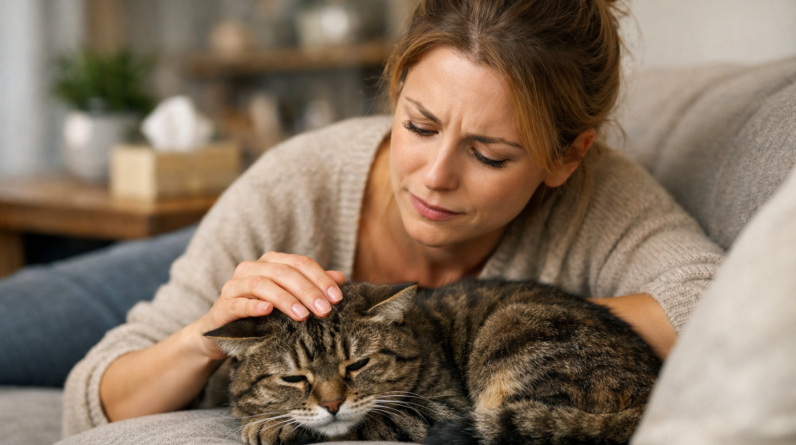
Common signs include reduced mobility (stiffness, reluctance to jump), sensory decline (cloudy eyes, less reaction to sounds), and changes in habits (increased sleeping, vocalization, or litter box accidents). You might notice your cat seeking warmer spots or having difficulty grooming.
The Role of Regular Veterinary Check-ups
Any new behavior warrants a vet visit. Regular check-ups are crucial to rule out manageable conditions like arthritis, kidney disease, or hyperthyroidism. Your vet’s guidance is invaluable for tailoring your old cat home adjustments to their specific health profile.
| Common Sign of Aging | Possible Meaning | Home Adjustment Hint |
|---|---|---|
| Hesitates before jumping | Joint pain or weakness | Provide pet ramps for cats or steps. |
| Misses the litter box | Mobility issues or cognitive decline | Use senior litter box solutions like low-sided boxes. |
| Sleeps more, plays less | Decreased energy or pain | Focus on gentle senior cat enrichment. |
Creating an Accessible and Navigable Home
For a cat with reduced mobility, your home can become an obstacle course. The goal is to create clear, easy pathways to their essential resources.
The Critical Role of Litter Box Accessibility
Senior litter box solutions are paramount. Choose boxes with very low sides for easy entry. Consider larger boxes if your cat has trouble turning around. Place multiple boxes on every level of your home to prevent accidents and minimize long trips.
Ramps and Stairs: Assisting Access
If your cat loves the bed or a favorite couch, pet ramps for cats or specially designed stairs can help them reach their spots without painful jumps. This is a vital part of cat mobility aids and helps maintain their independence.
Non-Slip Surfaces for Stability
Hardwood and tile floors can be challenging. Lay down non-slip rugs for cats or yoga mats to create secure pathways. Regularly trimming your cat’s nails can also provide better grip. These steps are crucial for senior cat safety and preventing falls.
Prioritizing Comfort and Ease in Key Areas
Comfort becomes the central theme of geriatric cat care. Focus on the areas where your cat spends the most time.
Reevaluating the Food and Water Station
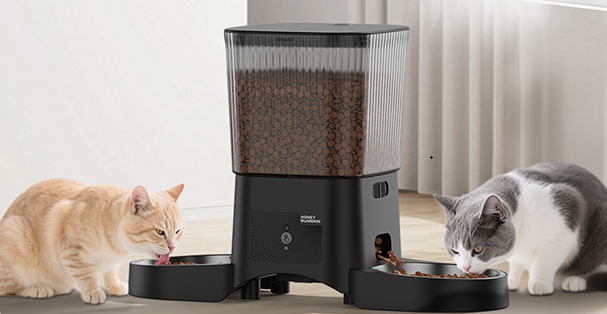
Elevated dishes can reduce neck strain for arthritic cat comfort. Use wide, shallow bowls to avoid pressure on sensitive whiskers. Place multiple fresh water stations around the house to encourage hydration, a key component of senior cat diet and health.
Orthopedic and Heated Bedding
Invest in an orthopedic cat bed with memory foam to cushion achy joints. A heated cat bed set on a low setting can provide soothing warmth, especially beneficial for cats with arthritis. Ensure these beds are placed in quiet, draft-free corners.
| Essential Item | Senior-Friendly Feature | Benefit for Your Cat |
|---|---|---|
| Litter Box | Low-sided, high-quality | Reduces pain and difficulty when entering/exiting. |
| Food & Water Bowls | Elevated, wide, and shallow | Eases joint strain and whisker fatigue. |
| Cat Bed | Orthopedic and/or heated | Cushions joints and provides pain-relieving warmth. |
Safety-Proofing for a Changing Cat
An aging cat‘s declining agility and potentially waning senses require a fresh look at home safety.
Minimizing the Need to Jump or Climb
Create interesting spaces at ground level with cozy beds, tunnels, or soft blankets near sunny windows. The goal is to enrich their environment while helping cat jump less.
Securing Windows and Balconies
Ensure all window screens are securely fastened. A geriatric cat with diminished agility is at higher risk of a fall from a suddenly unsteady perch.
Night Lights for Safe Navigation
To aid vision in dim light and help manage potential cat dementia (confusion), plug in a few night lights along common routes between bed, water, and the litter box.
Enrichment and Interaction for the Senior Mind
Senior cat care isn’t just physical; mental well-being is equally important. Senior cat enrichment should be gentle and engaging.
Adapting Play and Bonding
Swap high-energy chase toys for gentle, low-impact interactive toys like a feather wand dragged slowly across the floor. The value of predictable, calm routines and gentle petting sessions cannot be overstated for bonding and reducing anxiety.
Mental Stimulation for Cognitive Health
Slow-feeder puzzle feeders can engage their brain at mealtime. Most importantly, ensure they have easy access to a cozy window perch for bird-watching—a classic and vital form of mental stimulation.
Monitoring Health and Knowing When to Adapt Further
Your daily observations are a critical part of cat health monitoring. Being proactive helps you adapt as their needs change.
Daily Observation Tips
Keep a casual log of appetite, water intake, and litter box use. Note changes in weight, grooming habits, or general demeanor. This information is gold for your veterinarian.
When to Consult Your Vet
Consult your vet if you notice drastic changes in eating or drinking, new lumps, persistent hiding, signs of pain, or increased confusion. These check-ups are essential for maintaining your cat’s quality of life senior cat years.
Embracing Flexibility
Your old cat home adjustments are not a one-time task. Be prepared to evolve them as your feline friend’s condition changes, always with the goal of maximizing their comfort and dignity.
Conclusion: A Loving Commitment to Comfort
Adjusting your home for your aging feline friend is one of the most tangible expressions of love you can offer. These compassionate, practical changes—from senior litter box solutions to a warm heated cat bed—collectively make a profound difference. They extend beyond mere convenience, directly supporting your cat’s health and happiness. By creating a safe, accessible, and comforting environment, you are not just managing senior cat care; you are actively deepening your bond and honoring a lifetime of companionship, ensuring their golden years are truly golden.