


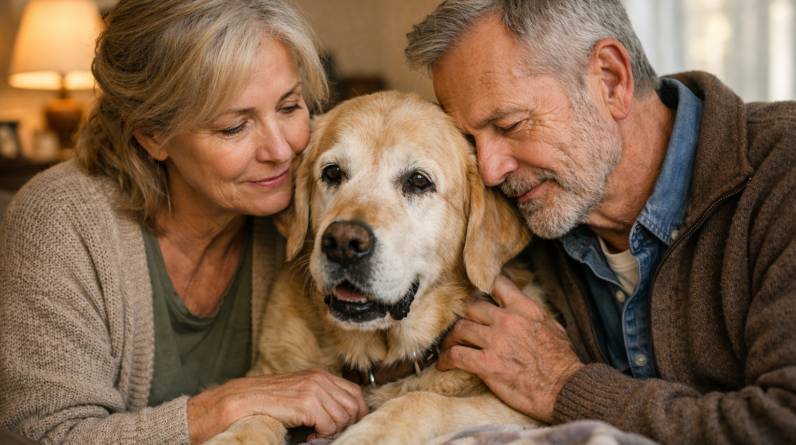
You notice it in subtle, heartbreaking ways. Your once-vibrant senior dog now stands motionless, staring at a wall as if seeing a ghost. They get momentarily “lost” in a corner of your familiar living room. Their sleep is fractured by nighttime pacing and whining, while days are spent in deepening confusion. For a loving owner, witnessing this cognitive decline in dogs is a unique form of heartache, filled with questions and a deep desire to help. This guide serves as both a medical primer on Canine Cognitive Dysfunction (CCD)—commonly called dog dementia—and a compassionate handbook for navigating this final, challenging chapter with grace and love.
What is Canine Cognitive Dysfunction (CCD)?
Canine Cognitive Dysfunction is a clinically recognized neurodegenerative disease, similar to dementia or Alzheimer’s in humans. It is not simply “slowing down” with age. It is a physical brain condition characterized by the accumulation of abnormal proteins (beta-amyloid plaques) that disrupt nerve cell function, leading to a loss of brain mass and a decline in cognitive abilities. Understanding that CCD is a medical syndrome, not a voluntary behavioral change, is the first step toward providing the right care and seeking proper veterinary attention.
The Signs: Recognizing the Symptoms of Dog Dementia
Veterinarians often use the acronym DISHA to categorize the core signs of dog dementia. If you notice several of these symptoms in your senior dog acting confused, it’s time to consult your vet.
Disorientation
This is a hallmark sign. Your dog may get lost in your house or yard, wander aimlessly, get stuck behind furniture, fail to recognize familiar people or places, or stare at walls or into space for prolonged periods.
Interactions Changed
You may see a shift in how your dog relates to family and other pets. Some become unusually clingy and needy, while others may display increased irritability, snapping, or seeming indifferent to affection they once sought.
Sleep-Wake Cycle Disturbances
A classic sign is “sundowning”—increased restlessness, anxiety, pacing, or vocalization (whining, barking) during the night. This reversal of the normal sleep cycle leads to a senior dog not sleeping and exhausted owners.
House Soiling
A previously reliable dog may begin having accidents in the house. Crucially, they often seem unaware it’s happening, showing no signal or post-accident guilt, as the brain’s connection to house-training habits and bodily awareness fades.
Activity Level Changes
This can manifest as a decreased interest in play, walks, or social interaction. Conversely, it may appear as aimless pacing or repetitive behaviors like licking, head bobbing, or circling.
Getting a Diagnosis: The Vital Vet Visit
If you observe these signs of dementia in dogs, a comprehensive veterinary exam is crucial. There is no single test for CCD; diagnosis is reached by ruling out other conditions that cause similar symptoms. Your vet will check for:
-
Urinary tract infections or kidney disease (causing accidents).
-
Arthritis or other chronic pain (causing restlessness and changed interactions).
-
Vision or hearing loss (causing disorientation).
-
Thyroid disease or other metabolic issues.
Prepare for your visit: Keep a detailed log of the specific behaviors you see—when they happen, duration, and triggers. This log is invaluable for an accurate assessment.
Treatment and Management: Improving Quality of Life
While there is no cure for CCD, a multi-modal approach can slow its progression and significantly improve your dog’s comfort and quality of life.
Medical Interventions
Your veterinarian may recommend:
-
Prescription Diets: Formulated with brain-healthy fats (MCTs), antioxidants, and other nutrients to support cognitive function.
-
Supplements: Such as SAM-e, omega-3 fatty acids, and vitamins C and E. CBD oil is an area of growing interest for managing senior dog anxiety, but it must only be used under direct veterinary guidance.
-
FDA-Approved Medication: Drugs like selegiline (Anipryl) can help regulate brain neurotransmitters and are a cornerstone of dog dementia treatment.
Environmental Adaptations
Create a safe, predictable world:
-
Maintain Strict Routines: Feed, walk, and offer bathroom breaks at the same times daily.
-
Ensure Safety: Use baby gates to block off stairs or dangerous areas. Provide orthopedic bedding for comfort.
-
Reduce Confusion: Use night lights to ease anxiety after dark. Avoid rearranging furniture. Limit exposure to loud noises or chaotic gatherings.
Mental and Gentle Physical Stimulation
Keep their mind engaged without causing frustration:
-
Use short, positive training sessions for simple, familiar commands.
-
Provide interactive food puzzles.
-
Continue gentle, leashed “sniff walks” where they set the pace—this is calming mental work.
Patience and Communication
Your attitude is a powerful tool. Respond to accidents with compassion, not punishment. Use clear, gentle cues and a calm voice. Your patience is the greatest comfort you can offer.
The Caregiver’s Journey: Coping with Your Own Emotions
Caring for a dog with dementia is emotionally taxing. Feelings of grief for the dog you once knew, frustration over constant care, and exhaustion from sleep disruption are normal and valid. It’s essential to:
-
Seek support from understanding friends, family, or online communities of fellow caregivers.
-
Practice self-care to avoid burnout.
-
Cherish the “good moments”—a familiar tail wag, a peaceful nap together. This journey is a profound, final act of love for your loyal friend.
Making Difficult Decisions: Considering Quality of Life
This is the most difficult part. As CCD progresses, you must make a holistic assessment of your dog’s well-being. Look beyond the dementia itself:
-
Are they in manageable pain from other age-related conditions like arthritis?
-
Is their anxiety or confusion becoming overwhelming?
-
Do they still experience moments of joy, comfort, or connection?
Using a quality of life scale (like the HHHHHMM scale: Hurt, Hunger, Hydration, Hygiene, Happiness, Mobility, More Good Days Than Bad) can provide objective guidance. The most compassionate decision is one made to prevent suffering, in close consultation with your trusted veterinarian. It is about honoring their dignity when the burdens of the disease outweigh the joys of living.
FAQ: Your Canine Cognitive Dysfunction Questions
At what age does dog dementia start?
CCD is most commonly seen in dogs over the age of 10, with prevalence increasing with age. However, early signs can occasionally appear in younger senior dogs.
Is it painful for the dog?
The disease process itself is not physically painful like arthritis. However, the confusion, anxiety, and disorientation it causes are forms of mental and emotional distress that significantly impact their well-being.
Can CBD oil help dogs with dementia?
Some studies and anecdotal reports suggest CBD may help reduce anxiety and improve sleep in dogs with CCD. However, research is still evolving. It is critical to discuss its use, dosage, and potential drug interactions with your veterinarian before starting.
Should I get another dog to help my senior dog?
This is generally not recommended. A new dog introduces unpredictable energy and stress, which can greatly worsen the anxiety and confusion of a dog with CCD. Their world needs to become smaller and calmer, not more chaotic.
How fast does CCD progress?
The rate of progression varies dramatically between individuals. Some dogs decline slowly over 18-24 months with good management, while others may progress more rapidly over several months. Early diagnosis and intervention are key to slowing the course.
Conclusion: Honoring the Bond to the Very End
Walking alongside your dog through canine cognitive decline is a final, deep expression of your lifelong bond. It asks for immense patience, adaptability, and kindness. While you cannot stop the tide of this disease, you can ensure the journey is paved with love, safety, and quiet connection. The goal is not to reverse time, but to provide a peaceful, dignified, and loving final chapter for the friend who has given you a lifetime of devotion.
Call to Action: If you recognize these signs in your dog, please schedule a veterinary consultation. You are not alone. Share your experiences or tips for how to help a dog with dementia in the comments below to build a supportive community. For further resources, explore our articles on Creating a Senior Dog Care Plan and Navigating Pet Loss and Grief.