


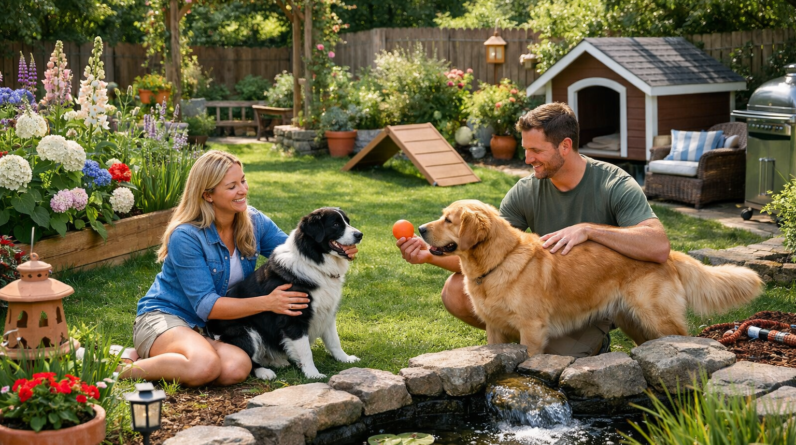
Imagine a perfect summer afternoon: you’re relaxing in your lush garden while your dog happily sniffs, explores, and lounges in a sunny patch. This idyllic scene is the goal of pet safe gardening, but the reality for many is a yard filled with hidden dangers and chewed-up flower beds. Creating a beautiful outdoor space that both you and your four-legged family member can enjoy requires thoughtful design. This guide is your essential blueprint for transforming any yard into a safe, stimulating, and beautiful dog friendly garden. We’ll start with the non-negotiable—identifying toxic plants for dogs—and then build a paradise with features your pup will love, helping you achieve a truly dog proof backyard.
The Priority: Safety First – Know the Toxic Plants
The most critical step in creating a safe outdoor space for my dog is eliminating or strictly avoiding common plants that are poisonous. Even with the best training, curious dogs might nibble, and some plants are dangerously toxic in small amounts. Here’s what you need to know to protect your pet.
Common Garden Plants That Are Dangerous for Dogs
This poisonous plants for dogs list is not exhaustive, but it covers some of the most common and severe threats. If you have these, consider removal or secure fencing.
-
Sago Palm: Extremely toxic. All parts are poisonous, but the seeds (nuts) are the deadliest, causing severe liver failure. Sago palm toxic to dogs is a leading cause of fatal plant poisonings.
-
Azaleas & Rhododendrons: Ingesting even a few leaves can cause vomiting, diarrhea, drooling, and in severe cases, coma or cardiovascular collapse.
-
Lilies: While most lethal to cats, certain types like Lily of the Valley can cause serious heart problems, vomiting, and seizures in dogs.
-
Oleander: Every part of this common shrub is toxic, affecting the heart and causing severe cardiac issues, tremors, and potentially death.
-
Autumn Crocus: Causes severe vomiting, gastrointestinal bleeding, liver and kidney damage, and respiratory failure.
-
Castor Bean: Contains ricin, a highly toxic protein. Ingestion can cause severe abdominal pain, drooling, vomiting, diarrhea, excessive thirst, and seizures.
-
Daffodil, Tulip & Hyacinth Bulbs: The bulbs are the most toxic part, causing severe gastrointestinal upset, drooling, loss of appetite, convulsions, and cardiac abnormalities.
The “Gray Area” Plants
Some plants may cause mild to moderate stomach upset (vomiting, diarrhea) but are not considered severely toxic. This includes plants like some ferns, daisies, and marigolds. The reaction depends on your individual dog’s sensitivity and the amount consumed. When in doubt, treat it as a risk.
Resources for Verification
Always cross-reference! The ASPCA’s comprehensive Toxic and Non-Toxic Plants List is the gold-standard resource. Bookmark it on your phone for instant checks at the nursery.
Building Canine Paradise: Features Your Dog Will Love
Once safety is addressed, the fun begins! Dog friendly landscaping is about designing for enrichment, comfort, and fun.
Dedicated Digging Zone
Instead of fighting nature, channel it. Create a dog digging pit in a corner of your yard. Use a sandbox or a defined area of soft, loose soil or sand. Bury durable toys and treats to encourage use. Train your dog with praise and rewards that this is their special spot, saving the rest of your garden.
Puppy Pathways & Patrol Routes
Dogs are creatures of habit and love to patrol their perimeter. Designate and create clear puppy pathways using paw-friendly materials like smooth flagstone, brick, cedar mulch, or sturdy turf. This satisfies their patrol instinct, protects your planted beds from becoming raceways, and adds structure to your garden design.
Shade & Shelter Stations
A dog friendly garden must offer refuge. Ensure there are multiple shaded areas from trees, pergolas, or shade sails. Provide a dry, well-ventilated, and waterproof doghouse or sheltered bench for sudden rain showers or a comfortable nap away from the sun.
Sensory Gardens with Safe Plants
Incorporate non toxic plants for dogs that engage the senses. Ornamental grasses like Fountain Grass add movement and sound. Sturdy, aromatic shrubs like rosemary, lavender, or sage are excellent for safe sniffing. For visual interest, plant snapdragons, pansies, or sunflowers (ensure varieties are safe).
Secure Boundaries & Safe Fencing
This is the foundational feature. Your fence should be tall enough to prevent jumping (especially for athletic breeds) and secure enough to prevent digging under. Check for gaps and ensure latches are robust. A secure boundary provides peace of mind for you and a clear territory for your dog—the ultimate dog run ideas backyard upgrade.
Practical Considerations for a Harmonious Space
A truly functional garden addresses the day-to-day realities of life with dogs.
Choosing the Right Mulch
Is mulch safe for dogs? It depends. Avoid cocoa bean mulch entirely, as it contains theobromine (like chocolate). Sharp wood chips can injure paws. Opt for pet-safe options like shredded pine, cedar, or untreated bark mulch. In high-traffic areas, smooth river rock can be a durable, low-maintenance alternative.
Lawn Care & Chemical Safety
Always choose a dog safe fertilizer and herbicide, clearly labeled as pet-friendly and organic when possible. Follow application instructions carefully, keeping your dog off the lawn for the recommended time. Store all garden chemicals, including snail bait and rodenticides, in absolutely secure, inaccessible locations.
Water Features for Play & Hydration
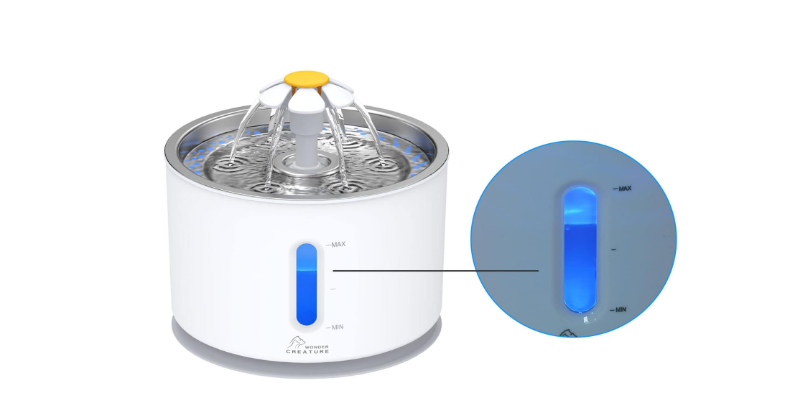
A shallow, recirculating fountain or a small pond with gentle slopes provides fresh, running water for hydration and a bit of splashing fun. Safety is paramount: ensure it’s shallow with easy exit points, and use a pump cover to prevent cord chewing. Always supervise around water.
Maintaining Your Dog-Friendly Garden
Ongoing care keeps your shared space safe and enjoyable.
Training for Garden Coexistence: A solid “leave it” command is invaluable for steering your dog away from plants or mulch. “Go to your spot” can direct them to their bed or pathway.
Regular Safety Sweeps: Make a habit of walking your yard to check for fallen fruit, wild mushrooms, stray fertilizer pellets, or dropped gardening tools.
Creating a “Potty Zone”: Train your dog to use a specific area, such as one lined with gravel or mulch. This makes clean-up easy and protects your primary lawn from burn spots.
FAQ: Your Dog-Friendly Garden Questions, Answered
Are succulents safe for dogs?
Most common succulents (like Echeveria or Sempervivum) are non-toxic but can cause mild stomach upset if ingested. However, some, like Jade Plants, are toxic. Always check the specific variety on the ASPCA list.
What’s the best grass for dogs?
Look for durable, fast-repairing, low-maintenance mixes. Kentucky Bluegrass and Fescue blends are often recommended for their toughness and ability to withstand foot (and paw) traffic.
How can I protect my vegetable garden from my dog?
Physical barriers are most effective. Use raised beds with secure wooden frames tall enough to deter jumping, or install attractive, low decorative fencing around garden plots.
Is compost dangerous for dogs?
Yes. Compost piles can contain moldy food, coffee grounds, and other decomposing materials that produce mycotoxins, which can cause severe illness (tremors, seizures). Use a securely lidded compost bin.
What are some fast-growing, dog-safe screening plants?
For creating privacy, consider clumping bamboo (non-invasive varieties), Skip Laurel, or Red Twig Dogwood. These are generally considered safe, provide dense coverage, and can withstand a curious sniff or bump.
Conclusion: A Shared Sanctuary
A dog friendly garden is not a compromise; it’s an enhancement. It’s a thoughtfully designed sanctuary that provides safety, stimulation, and joy for your pet, while retaining beauty and serenity for you. By prioritizing safety with safe plants for dogs and embracing clever pet friendly yard design, you create an outdoor haven that celebrates the wonderful companionship of dogs, right in your own backyard.
Call to Action: Ready to start? This weekend, do a safety audit of your garden. Use the ASPCA list to identify any risky plants, and then pick one new feature—like a digging pit or a sensory shrub—to add. Share your biggest garden challenge or a photo of your pup enjoying your safe space in the comments below! For more ideas, explore our guides on Pet-Safe Houseplants and DIY Outdoor Dog Agility Course.