


Introduction
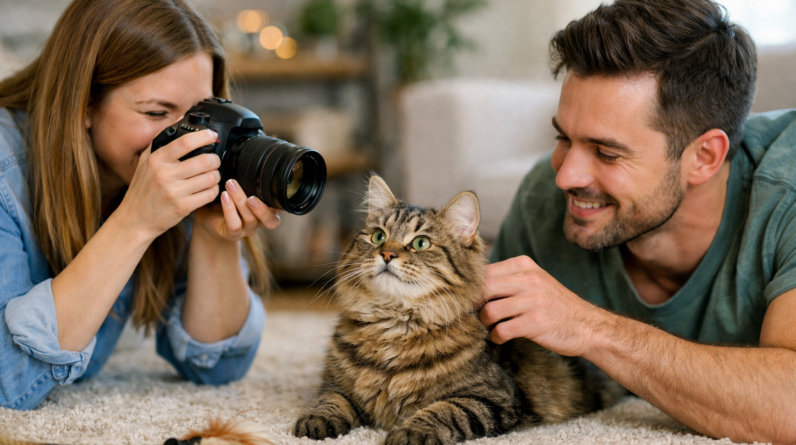
Every cat owner knows the struggle: you see your feline friend in a perfectly adorable pose, but by the time you grab your phone, they’ve turned into a blurry tail exiting the frame. The universal challenge of photographing cats is real, thanks to their unpredictable nature, disdain for posing, and lightning-fast reflexes. Yet, the effort to overcome this is immensely rewarding. Capturing your cat’s unique personality—the quirks, the serene naps, the chaotic play—preserves fleeting moments of companionship.
This comprehensive pet photography guide is designed to help you succeed. We’ll move beyond frustration and blurry snaps by covering the three pillars of great cat photography tips: the right gear and setup, technical know-how, and, most importantly, understanding feline psychology. Whether you’re aiming for a majestic cat portrait or a playful action shot, these strategies will elevate your DIY pet photos.
Gear Up: What You Really Need (Hint: It’s Not Just the Camera)
Great pet photography starts with using your tools effectively. The best camera is often the one you have with you, and understanding its strengths is key to getting good photos of your cat.
The Smartphone Advantage
Modern smartphones are powerful tools for photographing pets. Their portrait modes can create lovely background blur, and they’re always within reach. For the best smartphone cat photos, tap to focus on your cat’s eyes and use burst mode by holding down the shutter to capture rapid-fire shots during play.
DSLR/Mirrorless Benefits
For more control, a dedicated camera excels. The ability to change lenses and manipulate settings is a game-changer for taking pictures of cats in tricky light or motion. Interchangeable lenses let you get close without invading your cat’s space.
Key Lens Recommendations
A prime lens (like a 50mm or 85mm) with a wide aperture (f/1.8 or f/2.8) is ideal for cat portraits. It performs beautifully in low indoor light and creates that soft, blurred background that makes your subject pop.
The Magic of Natural Light
Flash is your enemy in cat photography at home. It can startle your subject and create harsh shadows and unnatural “pet eye” glow. Instead, become a student of natural light pet photography. Position your cat near a window, but use indirect light to avoid squinting. A sheer curtain is a perfect diffuser.
Essential Non-Camera Accessories
Your most vital tools aren’t electronic:
-
Toys: Wands, feathers, or laser pointers (used responsibly) to direct gaze.
-
Treats: High-value rewards for cooperation.
-
A Clean Backdrop: A simple, uncluttered blanket or cat bed.
Setting the Scene: Environment is Everything
Successful photographing of cats happens on their terms. Your cat’s comfort zone is the first ingredient for a successful shoot.
Creating a Cat-Friendly Photo Environment
Choose a room where your cat is relaxed. Bring in their favorite bed, blanket, or perch. A cat who feels secure is more likely to display natural, photogenic behavior. This is the foundation for photographing a playful cat or a serene sleeper.
Minimizing Clutter and Using Textures
Scan your frame before shooting. Move distracting items like stray cables, food bowls, or laundry. Opt for backgrounds with complementary textures—a knit blanket, a rustic floorboard, a plain wall—that add depth without stealing focus.
The Safety First Rule
Never put your cat in a dangerous situation for a photo. Avoid high, precarious perches they could fall from, and never use props or substances that could be harmful if ingested.
Timing is Everything: Work With Your Cat’s Schedule
Forget forcing a photoshoot on your schedule. The secret to how to photograph a cat is syncing with their internal clock.
Capturing the Golden Hours
The most cooperative times are often “post-nap” and “pre-meal.” A well-rested cat is more likely to be calm and cuddly, while a cat anticipating dinner may be persuaded to sit still for a treat. These are perfect windows for posed cat portrait ideas.
Understanding Active and Playful Periods
Schedule action shots for when your cat typically has the “zoomies.” This is prime time for freezing motion and capturing leaps, pounces, and mad dashes.
The Art of the Serene Shot
Never wake a sleeping cat for a photo—but do quietly grab your camera if you find them napping in beautiful light. Photographing a sleepy cat offers a chance to capture exquisite detail and peace.
Patience is Your Most Important Tool
If your cat is uninterested or irritated, stop. Forced sessions create negative associations. Tips for uncooperative cats always boil down to this: try again later.
Master Your Technique: Camera Settings and Angles
Technical skill turns a lucky snap into a deliberate photograph. Here’s a quick-reference table for best camera settings for cat photos:
| Scenario | Camera Mode | Key Setting | Goal |
|---|---|---|---|
| Portrait (Calm Cat) | Aperture Priority (A/Av) | Wide Aperture (e.g., f/2.8) | Blur background, focus on eyes |
| Action (Playful Cat) | Shutter Priority (S/Tv) | Fast Shutter (1/500s or faster) | Freeze motion, avoid blur |
| Low Light (No Flash) | Manual (M) or Aperture Priority | High ISO (800-3200) | Maintain brightness without blur |
Getting Down on Their Level
Abandon the human perspective. The most engaging cat photography tips emphasize getting low. An eye-level shot creates intimacy and allows you to see the world from your cat’s perspective.
Focusing on the Eyes
Sharp eyes are non-negotiable. Use single-point autofocus and place that point directly on your cat’s nearest eye. This ensures your cat portrait is sharp and engaging.
Using Burst Mode
Cats express emotions in micro-expressions. Burst mode (continuous shooting) captures the series of a yawn, head tilt, or ear flick, letting you select the perfect expression later.
Engagement 101: How to Get (and Keep) Your Cat’s Attention
This is where cat psychology meets photography. Your job is to be an interesting director.
| Tool | How to Use It | Best For |
|---|---|---|
| Toy Wand/Feather | Dangle above or beside camera | Directing gaze, triggering playful pounces |
| Sound Maker | Squeak or crinkle behind the camera | Getting a curious head tilt or ear perk |
| Treats | Hold near the camera lens, reward after shots | Encouraging a stationary sit or coming closer |
| Favorite Perch | Place in good light and wait | Encouraging natural, comfortable poses |
The “Treat Tax” and Knowing When to Quit
Reward cooperation frequently with a small treat. This positive reinforcement builds a good association with the camera. Watch for signs of stress (tail flicking, flattened ears, walking away). If they appear, honor your cat’s communication and end the session.
Beyond the Basic Portrait: Creative Shot Ideas
Once you’ve mastered the classic portrait, explore these creative avenues for unique DIY pet photos.
Capture Unique Details
Get close with a macro lens or your phone’s portrait mode. Focus on the intricate pattern of a nose, the curl of whiskers, or the texture of paw pads. These detail shots tell a beautiful, intimate story.
Master the Action Sequence
Anticipate the classic cat movements: the full-body stretch, the dramatic yawn, the leap onto a windowsill. Use fast shutter speed and burst mode to capture the mid-yawn, the stretch, the pounce.
Incorporate Storytelling
Incorporate storytelling by photographing your cat in their daily routine: watching birds, curled in a sunbeam, investigating a shopping bag. These candid cat photos capture their true essence.
Try Black and White
Converting a high-contrast image to black and white can add drama and timelessness, emphasizing form, texture, and emotion over color.
Post-Processing: Simple Edits for Maximum Impact
A few subtle edits can make your purr-fect shot shine. The goal is to enhance, not alter, your cat’s character.
Basic Adjustments
Start by cropping to improve composition, straightening horizons, and adjusting exposure or shadows to ensure your subject is well-lit.
Enhancing Eyes Carefully
Brighten the eyes slightly and add a tiny catchlight to make them sparkle. The key is subtlety—overdone edits can look unnatural.
Removing Distractions
Use the clone or heal tool to remove minor distractions in the background, like a stray piece of litter or a bright power cord.
Recommended User-Friendly Tools
-
For Phones: Snapseed, Adobe Lightroom Mobile
-
For Computers: Adobe Lightroom, Canva
Conclusion
Photographing your cat is a joyful practice that blends patience, preparation, and respect for your subject. Remember the core principles: prioritize your cat’s comfort, harness natural light, get on their level, and focus on those expressive eyes. The journey to getting good photos of your cat is one of observation and bonding. So, grab your camera, respect your feline muse, and start seeing the world from a cat’s perspective. We can’t wait to see the purr-fect shots you capture