


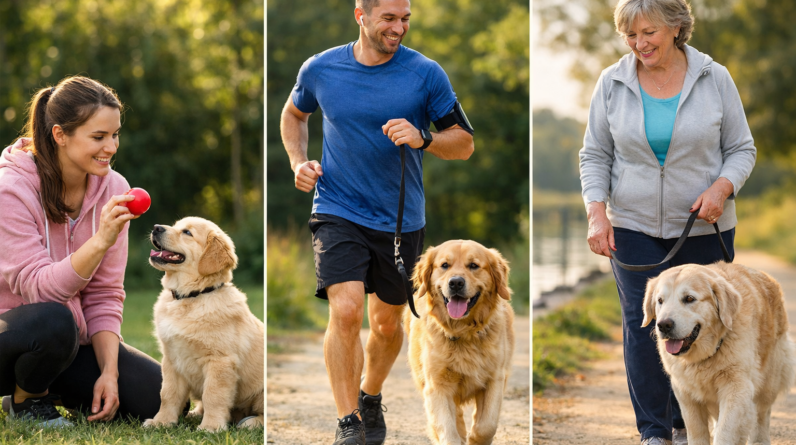
We all want the same thing for our dogs: a healthy, happy life filled with wagging tails and playful energy. For many of us, that means daily walks, park trips, and fetch sessions. But here’s the truth I’ve learned over years with dogs: a one-size-fits-all approach to exercise isn’t just ineffective—it can actually be harmful. What fuels a bouncy puppy could strain their developing joints, and what sustained an adult dog in their prime might now cause pain in their golden years. The secret isn’t just more exercise; it’s the right exercise. Your dog’s needs evolve, and tuning into those changes is one of the greatest acts of care you can provide. This guide will walk you through tailoring your approach, from those first playful months to the dignified senior years, ensuring your best friend thrives at every step.
Why “Right” Exercise Matters More Than “More” Exercise
Understanding dog exercise by age is crucial because the stakes of getting it wrong are real. For puppies, forced, repetitive motion like long runs on pavement can damage developing growth plates, leading to lifelong joint issues—a key reason for following strict puppy exercise guidelines. For adults, insufficient or inappropriate exercise is a direct path to boredom, which often manifests as destructive chewing, excessive barking, or anxiety. For seniors, pushing through stiffness can exacerbate arthritis and cause injury. Getting it right, however, is a cornerstone of preventive healthcare. Tailored activity supports healthy growth, manages weight, sustains mental sharpness, and deeply enriches your dog’s quality of life at every stage.
The Playful Puppy: Building Foundations Safely (Up to 1 Year)
This stage is all about gentle guidance, not endurance. Your puppy has boundless energy in short bursts, but their skeletal system is still soft and forming.
The Golden Rule: Play, Don’t Force
The most important principle for puppy playtime safety is to avoid forced, repetitive exercise. This means no long-distance jogging with you, no marathon fetch sessions on hard ground, and no intense agility work. Their exercise should be self-directed through play and exploration, allowing them to stop when they’re tired. A good rule of thumb is 5 minutes of structured exercise per month of age, twice a day.
Safe Activities & Ideas
Focus on activities that build confidence, coordination, and social skills.
-
Short, Supervised Play Sessions: Multiple brief romps in a secure yard or home.
-
Gentle Fetch on Grass: Use a soft toy and keep sessions very short.
-
Training as Exercise: Mix basic obedience like “come” and “sit” with movement, turning it into a fun game.
-
Socialization Walks: Let them experience new sights, sounds, and smells at their own pace. Meeting vaccinated, gentle dogs is fantastic mental stimulation vs physical exercise.
-
Puzzle Toys: Engage their budding brain with food-dispensing toys.
What to Avoid
Protect those growing bodies by avoiding high-impact jumping on/off furniture, marathon walks, slippery floors that strain developing joints, and organized dog sports until your vet confirms their growth plates are closed (usually after 12-18 months, depending on breed).
The Prime Adult: Maintaining Peak Health (1-7 Years, Breed-Dependent)
Welcome to your dog’s athletic peak! This is the time to build a sustainable, enriching routine that meets their breed-specific instincts and energy levels.
Assessing Energy & Breed Needs
The spectrum of exercise for adult dogs is vast. A Basset Hound might be content with two leisurely walks, while a Border Collie may need hours of vigorous activity plus a “job” to feel balanced. Research your breed’s heritage—retrievers often love fetching and swimming, herders may enjoy chasing a flirt pole, and terriers might excel at digging games or barn hunt-style activities.
Creating a Balanced Routine
A great routine blends physical and mental challenges.
-
Aerobic Exercise: Daily brisk walks, jogging, cycling (with proper equipment), or swimming provide sustained cardio.
-
Strength & Agility: Hill walks, navigating safe natural obstacles, or flirt pole sessions build muscle.
-
Mental Stimulation: This is non-negotiable. Nose work (hiding treats), advanced training, and interactive toys tire the mind as effectively as a run.
Signs of a Well-Exercised Dog
You’ll know the routine is right when your dog is happily tired—content, relaxed, and calm at home. They should not be displaying destructive behaviors, restless pacing, or hyperactivity, which are key indicators to ask, “Is my dog getting enough exercise?“
The Graceful Senior: Supporting Comfort and Mobility (7+ Years)
The goal shifts from intensity to consistency. Our aim is to maintain muscle mass, support joint health, and keep their spirits bright through gentle engagement.
Listening to Your Dog
This is the most important skill. Your dog will tell you what they need. Stiffness upon rising, lagging behind on walks, hesitance to jump into the car, or increased napping are all signs of overexertion in dogs or discomfort. Honor these cues; they’re requests to slow down.
Ideal Low-Impact Exercises
Senior dog exercise should be gentle and enjoyable.
-
Shorter, More Frequent Walks: Replace one long walk with two or three shorter, slower strolls.
-
Swimming or Hydrotherapy: The ultimate low impact exercise for dogs with arthritis, as it supports weight and eases joint movement.
-
Gentle Stretching: Learn simple, vet-approved stretches to maintain flexibility.
-
“Sniffaris”: Let your senior dog lead the walk. Allowing them to explore smells at their own pace is fantastic mental stimulation and light physical activity.
Essential Adjustments
Make life easier: walk on grass or dirt instead of pavement, use ramps for cars and furniture, consider a warm coat in cold weather (arthritis stiffens more in the cold), and be vigilant for signs of pain or fatigue.
Tools & Adjustments for Every Stage
-
Puppy/Adult: A well-fitted harness (not a neck collar) for safe leash training and control.
-
Senior: Orthopedic beds, joint supplements (like glucosamine) after vet consultation, and non-slip rugs on hard floors.
-
All Stages: Always provide fresh water, avoid exercise in extreme heat (dog exercise in hot weather requires early morning/late evening sessions), and incorporate a brief warm-up (like a slow walk) and cool-down.
The Most Important Tool: Consultation With Your Vet
This guide is a framework, but your veterinarian is your partner. They can provide specific advice for your dog’s breed, size, and health status. This is especially critical for large breed puppies, brachycephalic breeds (like Bulldogs), and when you first notice signs of dog arthritis. Regular check-ups are the perfect time to discuss and adapt your life stage dog care plan.
FAQ: Your Dog Exercise Questions, Answered
How do I know if I’m over-exercising my puppy?
Watch for signs like lagging far behind, lying down and refusing to move, excessive panting long after play stops, or soreness/lameness the next day. When in doubt, shorter, more frequent play sessions are safer than one long one.
My senior dog still acts like a puppy—should I let him run?
Let him choose to run in safe, soft areas, but don’t encourage prolonged sprinting. He might feel young in his spirit but still have aging joints. Allow him to self-regulate, and be prepared to cut the session short if he shows stiffness later.
Are dog sports like agility safe for adult dogs?
For healthy, structurally sound adult dogs, they can be excellent! Proper training that focuses on safety and technique is key. Always get a vet clearance first, and ensure you’re working with a positive-reinforcement trainer who understands injury prevention.
How can I exercise my dog in bad weather or a small apartment?
Get creative with indoor mental stimulation. Practice obedience drills, set up a DIY obstacle course with cushions, play hide-and-seek with treats, or use a flirt pole in a long hallway. A tired brain makes for a calm dog.
What are the first signs I need to reduce my dog’s exercise intensity?
The earliest signs are often subtle: taking longer to “warm up” on a walk, seeking shade or wanting to turn back sooner, increased thirst, slight stiffness after rest, or a reluctance to perform a previously loved activity like jumping into the car.
Conclusion: The Journey of Movement Together
Adapting your dog’s exercise routine is a beautiful reflection of your lifelong bond. It’s a practice of attentive care, from protecting a puppy’s playful bounce to supporting a senior’s dignified stroll. The goal remains the same: shared, enjoyable activity that nurtures their well-being. By moving with them through each chapter, you’re not just exercising a dog—you’re cherishing a friend through every step of their journey.
Call to Action: What life stage is your dog in right now, and what’s their all-time favorite activity? Share your story in the comments, or tell us the biggest adjustment you’ve made to keep them happy and healthy as they’ve aged. For more specific guidance, explore our related articles on Low-Impact Exercise for Dogs with Arthritis and Mental Stimulation Games for High-Energy Breeds.