


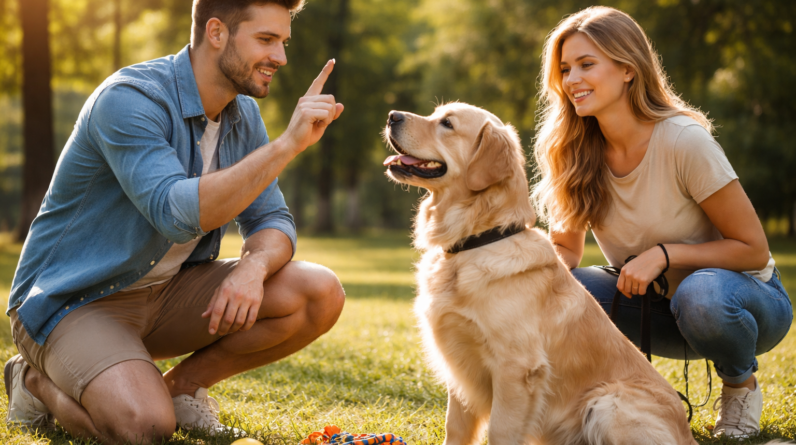
Hey there, fellow dog lover! If you’ve ever dreamed of having a well-behaved, safe, and genuinely happy canine companion, you’re in the right place. I’ve been there—the pulled leash, the ignored calls at the park, the shoe casualty. Let’s get one thing straight: basic dog obedience isn’t about harsh control or showing who’s boss. It’s about something much cooler: clear communication and strengthening that incredible bond you share with your pup. The secret sauce? Positive reinforcement dog training. It’s all about rewarding the behaviors you want to see, making learning fun and effective for your dog. In this guide, I’ll walk you through the 7 essential dog commands that form the foundation of good manners and safety. I’ll explain exactly why each one matters and give you a clear, actionable plan to teach your dog like a pro.
Before You Begin: Your Training Toolkit for Success
Before we jump into the essential commands, let’s quickly set the stage for success. Think of this as gathering your gear. You wouldn’t bake a cake without ingredients, right? Same goes for dog training for beginners.
First, get some high-value treats—small, smelly, and irresistible to your dog. This could be tiny bits of chicken, cheese, or commercial training treats. A clicker is optional but super helpful for marking the exact moment your dog does something right. Most importantly, arm yourself with patience and a quiet environment for your first few sessions. I promise, short and sweet 5-10 minute practices are way better than long, frustrating marathons. Always, always end on a positive note, even if it’s just with a super easy sit they already know. It keeps everyone’s spirits high!
Your Guide to the 7 Essential Dog Commands
Ready to dive in? These are the basic commands every dog should know. We’ll take them one by one, step-by-step.
Sit: The Cornerstone Command
Why it matters: “Sit” is the Swiss Army knife of dog commands. It’s perfect for curbing jumping, promoting calmness before meals or walks, and it’s the starting point for many other behaviors.
How to teach it (The Lure Method):
- Hold a treat right at your dog’s nose.
- Slowly move your hand up and back over their head. As their nose follows the treat, their bottom will naturally lower.
- The moment their rear hits the floor, say “Yes!” or click, and give them the treat.
- Once they’re reliably following the lure, start saying the word “Sit” as they begin the motion.
Troubleshooting Tip: If your dog jumps up, you’re probably holding the treat too high. Keep it low and close to their head. If they back up, practice with their rear near a wall.
Come (Recall): The Lifesaver
Why it matters: This is arguably the most important command for dog safety. A reliable recall can prevent accidents and disasters.
How to teach it:
- Start indoors with no distractions. Get down on their level and say, “Come!” in a bright, happy voice.
- As they start toward you, encourage them. When they get to you, reward lavishly with treats and praise.
- Never, ever scold a dog when they come to you, even if it took them forever. You want them to think coming to you is the best thing ever.
- Gradually practice in more distracting environments—your yard, then a quiet park.
Stay: Teaching Self-Control
Why it matters: “Stay” is different from just not moving. It’s a formal promise from your dog to hold their position until you release them. We build it using the three D’s: Duration, Distance, and Distraction.
How to teach it:
- Ask your dog to Sit.
- Hold your palm out like a stop sign and clearly say “Stay.”
- Wait just one second, then say your release word (“Okay!” or “Free!”) and reward them while they are still sitting.
- Slowly, over many sessions, increase the time (Duration) before the release. Then, take one small step back (Distance). Only increase one “D” at a time.
Down: The Calm Settle
Why it matters: “Down” asks for a more vulnerable, relaxed position. It’s fantastic for encouraging calm behavior in exciting situations.
How to teach it:
- Start with your dog in a Sit.
- Hold a treat in your closed fist at their nose, then slowly lure them straight down to the ground, then out slightly along the floor (making an “L” shape).
- As their elbows touch down, mark and reward.
- Some dogs are hesitant. Be patient! You can also reward any downward movement at first (a process called “shaping”).
Leave It: For Safety’s Sake
Why it matters: This command can stop your dog from picking up dangerous food, garbage, or other hazards. It teaches impulse control.
How to teach it:
- Place a low-value treat in a closed fist. Present your fist to your dog. They will sniff, lick, and paw—ignore it.
- The moment they pull their nose away, say “Yes!” and reward them with a different, higher-value treat from your other hand.
- Once they get it, progress to putting the treat on the floor under your hand, then eventually just on the floor, always ready to cover it if they go for it.
Drop It / Let Go: For Safe Play
Why it matters: This is crucial for safe games of fetch or if they get something dangerous in their mouth.
How to teach it:
- Start during a calm game of tug with a toy they like.
- Hold a super tasty treat right at their nose and say “Drop It.”
- The second they release the toy to get the treat, praise them and give them the treat. Then, immediately return the toy to keep the game fun! This teaches that “drop it” means a great trade, not the end of fun.
Heel or Loose Leash Walking: Enjoy the Walk
Why it matters: For most of us, the goal isn’t a strict “Heel,” but polite loose leash walking—no pulling!
How to teach it:
- Start in a boring environment. The second your dog looks at you or the leash goes slack, mark and reward.
- If they pull, simply stop walking or cheerfully change direction. They learn that pulling gets them nowhere, but staying near you is rewarding.
- Use a consistent cue like “Let’s walk” when you want them by your side.
Troubleshooting Common Dog Training Challenges
Hitting a snag? You’re not alone. Here’s my quick advice for common dog obedience tips:
-
“My dog is stubborn!” They’re probably confused or the environment is too distracting. Go back a step and make it easier.
-
“He only listens with treats!” That’s perfectly normal early on. Slowly phase to intermittent rewards (treating 3 out of 5 times, then 2 out of 5) while always using praise. The behavior will become a habit.
-
“She gets too distracted!” Lower your expectations. Practice basic dog obedience in your boring living room before asking for it at a busy squirrel convention.
FAQ: Your Dog Training Questions, Answered
Q: How old is too old to start training my dog?
A: Never! Dogs are lifelong learners. While puppies are sponges, adult and senior dogs can absolutely learn new essential commands. Just be patient and adjust for any physical limitations.
Q: What if I don’t see any progress?
A: First, ensure you’re using a high-value treat. Break the skill down into even smaller steps. If you’re still stuck, consider consulting a certified professional trainer for a session or two—it can be a game-changer.
Q: How do I get my family on the same page with training?
A: Consistency is key! Have a family meeting to go over the cues and rules. Post a “cheat sheet” on the fridge with the command words (e.g., we use “Off” for jumping, not “Down”) so everyone uses the same language.
Q: My dog knows the commands at home but ignores me outside. Why?
A: This is totally normal! Outside is a very distracting classroom. You have to practice in gradually more distracting environments. Go back to using amazing treats and keep those outdoor sessions very short and positive. It’s called “proofing” the behavior.
Conclusion: The Reward is a Lifelong Partnership
Look, training your dog at home is a journey. Some days will be brilliant, others messy. But every single session is an investment in a safer, happier, and more harmonious life together. Celebrate the small victories—that first instant sit, the moment they choose to check in with you on a walk. This isn’t just about essential dog commands; it’s about building a deep, trusting partnership that will last a lifetime. You’ve got this!