


Are your cat’s sudden zoomies just random craziness? Discover the fascinating reasons behind this feline behavior, from pent-up energy to instinct, and learn when to be concerned.

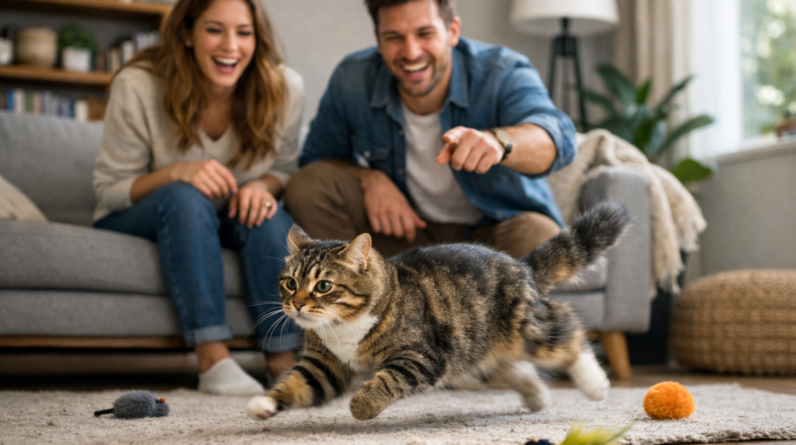
You’re relaxing on the couch when, without warning, your cat transforms into a blur of fur. They rocket from the floor to the bookshelf, perform a parkour move off the wall, and sprint madly in laps around the room before skidding to a halt, perfectly calm as if nothing happened. If this scene is familiar, you’ve witnessed the glorious phenomenon of cat zoomies, scientifically known as Feline Frenetic Random Activity Periods (FRAPs). While these sudden bursts of energy seem utterly random, they are a normal, complex part of cat behavior with logical explanations. Let’s dive into the real meaning behind the madness.
What Are Cat Zoomies?
Feline zoomies are characterized by short, intense episodes of hyperactive behavior. Your cat might race at top speed, often with a puffed-up tail and wide, wild eyes. They may spin in circles, leap over furniture, or engage in frantic self-grooming for a few seconds before taking off again. These episodes typically last only a few minutes and end as abruptly as they begin, often with the cat calmly licking a paw or settling down for a nap.
While they can happen anytime, there are predictable windows when these cat sudden bursts of energy are most likely to strike:
| Time/Trigger | Why It Happens |
|---|---|
| Late at night / Early morning | Natural crepuscular (dawn/dusk) hunting instincts peak, leading to cat nighttime zoomies. |
| After using the litter box | A feeling of relief and vulnerability can trigger a post-bathroom burst of energy. |
| After a long period of rest | Sleep builds up pent-up energy in cats that needs a rapid release. |
| After eating | Some cats get a burst of energy from the calorie intake. |
| During or after play | Excitement and simulated hunting can boil over into a FRAP. |
The Real Reasons Behind the Mad Dash (It’s Not Random)
Understanding the “why” behind why do cats get the zoomies helps us see it as natural feline expression, not mere craziness.
Release of Pent-Up Energy
Cats are masters of conservation, sleeping up to 16 hours a day. All that stored energy has to go somewhere. A cat running around crazy is often simply burning off the fuel accumulated during a long snooze. This is especially true for indoor cats who lack constant environmental stimulation.
Instinctual Hunting Practice
Zoomies meaning can be traced back to primal instincts. The sequence of stalking, pouncing, sprinting, and capturing prey is hardwired. A feline zoomies episode often mimics the final, high-energy sprint of a hunt, even if the “prey” is an invisible speck of dust.
The Post-Bathroom Burst
The classic cat crazy after litter box moment is widely observed. Theories suggest elimination leaves them feeling lighter, relieved, and momentarily vulnerable. The frantic dash could be an instinct to flee the scent area to avoid attracting predators.
Stress or Excitement Release
Cats can become overstimulated by a sudden noise, a visit from guests, or even an intense petting session. This overflow of sensory input needs an outlet, which can manifest as cat zoomies. Similarly, positive excitement can trigger the same reaction.
Communication and Play
Sometimes, a cat running around crazy is an invitation. That mad dash past your legs might be your cat’s way of saying, “Chase me!” It can be a form of cat play aggression without true aggression—a bid for interactive play.
Common Misconceptions About Zoomies
| Misconception | Reality |
|---|---|
| “It only happens in kitten zoomies.” | Zoomies occur in cats of all ages! While kittens have more frequent bursts, adult and senior cats experience them too. |
| “It means my cat has a behavioral problem.” | FRAPs are a normal cat behavior. True behavioral issues are more consistent and linked to specific stressors. |
| “It’s a sure sign of a bored or unhappy cat.” | While under-stimulation can increase zoomies, their presence alone doesn’t indicate unhappiness. Context and frequency are key. |
When Should You Be Concerned?
While it is normal for cats to have zoomies, there are times when the behavior warrants a closer look.
Signs That Warrant a Vet Visit
Consult your veterinarian if your cat’s zoomies are accompanied by:
- Excessive frequency or duration (multiple long episodes daily).
- Signs of pain, yowling, or distress during the episode.
- True aggression towards people or other pets.
- Disorientation or bumping into walls.
These could indicate underlying issues like hyperthyroidism in cats (which drastically increases energy), painful conditions like arthritis (causing sudden movement to “escape” pain), flea irritation, or neurological problems. Differentiating between zoomies and true anxiety-driven behavior is crucial; anxiety is more pervasive and less playful.
How to Manage and Redirect Zoomie Energy Safely
Instead of wondering how to stop cat zoomies, focus on managing them safely and providing better outlets.
Create a Cat-Friendly Environment
Provide vertical territory with cat trees and shelves. Safe, high perches allow cats to survey their domain and burn energy climbing, which can reduce frantic floor-level cat nighttime zoomies.
Implement Scheduled Play Sessions
Address your cat’s exercise needs with daily, predictable play. Use a wand toy to mimic prey (stalk, chase, pounce) for 10-15 minutes, twice a day. This satisfies their hunting instinct and tires them out mentally and physically, using up that pent-up energy in cats.
Provide Mental Enrichment
Food puzzle feeders, window perches for bird-watching, and clicker training engage your cat’s brain. A mentally stimulated cat is less likely to have excessive feline zoomies out of sheer boredom.
Safety First During an Episode
- Do not try to restrain your cat—this can cause confusion or redirect the energy into aggression.
- Clear pathways of breakables and tripping hazards.
- Let the episode run its course; it will be over soon.
Conclusion
Cat zoomies are a normal, healthy expression of your cat’s innate nature. They are a complex cocktail of released energy, ancient instinct, communication, and pure feline joy. By understanding the triggers—from the post-bathroom burst to their instinctual practice for hunting—we can appreciate these hilarious episodes as a window into our cat’s world. The key is to provide ample outlets for play and climbing to ensure these sudden bursts of energy remain a fun quirk, not a symptom of boredom.
Call to Action
Did your cat have a legendary zoomies moment? Share your funniest stories or videos of your cat running around crazy in the comments below! For more insights into understanding your feline friend, subscribe to our newsletter.